You’re not alone — effective, evidence-based treatments can help you regain control. Start by recognizing warning signs and tracking frequency, money spent, and consequences. Psychotherapies like CBT, motivational interviewing, and relapse‑prevention teach coping skills and change thinking malaysia online casino. Peer groups and sponsors offer lived guidance and steady support. For some, medications treat co‑occurring disorders or reduce urges under medical supervision. Digital tools and bank limits add practical barriers. Keep going and you’ll find clear, actionable options ahead.
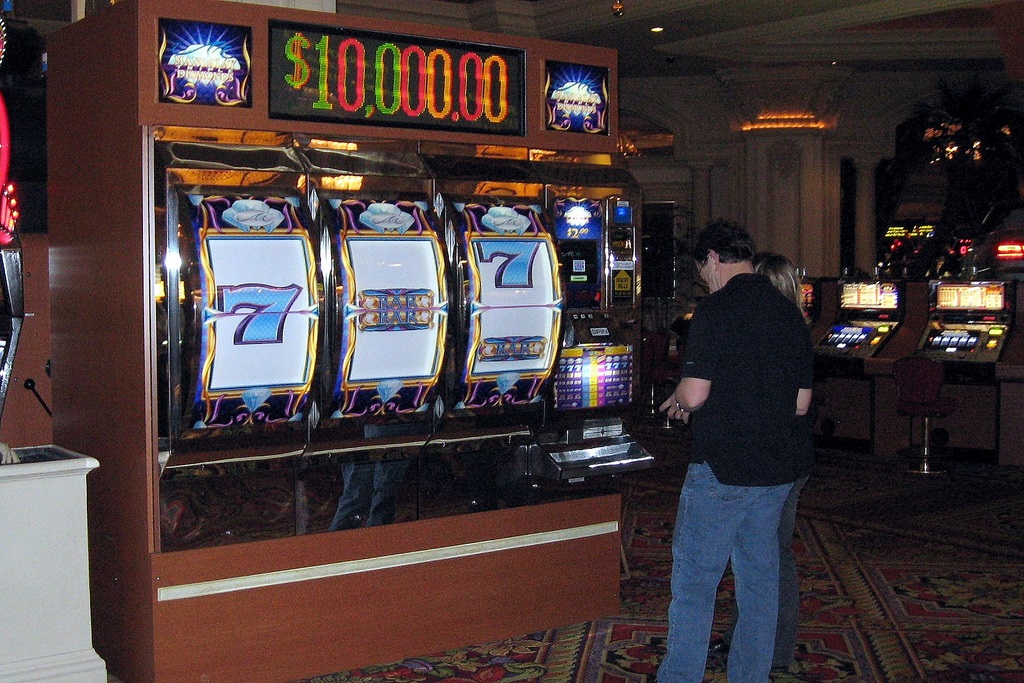
Understanding Gambling Addiction and When to Seek Help
If you’re worried that your gambling is starting to control your life, know that what you’re feeling is common and there are clear signs to watch for: persistent preoccupation with betting, needing to gamble with increasing amounts to get the same thrill, chasing losses, and continuing despite serious consequences to relationships, work, or finances. You’ll want to spot concrete warning signs early — missed deadlines, secretive behavior, mounting debt, or sleep disruption. Assess family impact honestly: strained trust, financial strain, and emotional distance are common and measurable. Use structured self-assessment tools and objective metrics to track frequency, spend, and consequences. If patterns show escalation or harm https://www.1bet2umyr.com/my/en-us/, reach out for evaluation and discuss practical harm-reduction steps with trusted allies or professionals experienced in innovative, evidence-based interventions.
Counseling and Psychotherapy Approaches
Therapy offers practical, evidence-based tools to help you change gambling behavior, repair relationships, and manage triggers. You’ll find structured approaches like cognitive-behavioral therapy to reshape thoughts and behaviors, and motivational interviewing to enhance your readiness for change by resolving ambivalence. Acceptance commitment therapy complements these by teaching you to accept cravings without acting on them while committing to values-driven actions. Sessions can be individualized or combined with brief skills training—relapse prevention, emotional regulation, and problem-solving—so you’ll get targeted strategies. Expect measurable goals, homework, and progress reviews to keep treatment innovative and outcome-focused. A skilled therapist will tailor methods to your needs, integrating evidence-based techniques while fostering hope, autonomy, and sustainable change.
Support Groups and Peer-Based Recovery
Alongside one-on-one therapy, many people find powerful support in groups where peers share experience, accountability, and practical recovery skills. You’ll benefit from structured meetings that combine lived-experience insights with evidence-based techniques—cognitive-behavioral elements, relapse prevention tools, and measurable goals. Peer mentors offer lived guidance, modeling coping strategies and helping you navigate triggers. Community sponsorship connects you to local networks, helping sustain engagement and reduce isolation. You’ll get iterative feedback, practical relapse plans, and opportunities to practice new behaviors in a safe setting. For innovators, hybrid models (in-person plus digital) can increase access and personalize pacing. Look for groups with trained facilitators, clear confidentiality practices, and outcome tracking so you can choose a program that’s both compassionate and effective.

Medication and Medical Considerations
Because gambling disorder often co-occurs with mood, anxiety, or substance-use conditions, medical evaluation can be an important part of your treatment plan—especially when symptoms are severe or safety is a concern. You’ll get a structured assessment to identify coexisting illnesses, medication interactions, and risks that affect choice of pharmacotherapy options. Evidence supports selective use of antidepressants, mood stabilizers, or opioid antagonists for select patients; decisions should be individualized and monitored. You’ll also discuss physical health factors — for example, some meds necessitate baseline labs or cardiac monitoring. Stay involved: ask about expected benefits, side effects, and how progress will be measured. Collaborative, innovative care combines medication with psychotherapy and regular medical follow-up to optimize safety and outcomes.
Digital Tools, Self-Help Strategies, and Relapse Prevention
If you’re ready to augment formal treatment or build daily habits that reduce risk, digital tools and practical self-help strategies can give you structure, feedback, and immediate support between appointments. You’ll find online trackers that monitor spending, triggers, and mood, helping you spot patterns backed by data. Use habit apps to set small goals, schedule alternatives to gambling, and receive reminders — research shows consistent self-monitoring improves outcomes. Combine these with brief cognitive exercises (urge surfing, thought records) and peer-support forums to strengthen coping skills. Plan relapse prevention by identifying high-risk situations, listing coping steps, and automating barriers (blocking sites, bank limits). Regularly review metrics with your clinician and iterate tools to keep strategies effective and personalized.
Conclusion
You’re not alone in this — recovery is possible and there are evidence-based options that can help you regain control. Counseling, medications when appropriate, peer support, and digital tools each play a role, and a tailored plan reduces relapse risk. Reach out early, involve loved ones, and work with professionals to find what fits your needs. With compassion, structure, and persistence, you can build healthier habits and a more hopeful future.

0 Comments Leave a comment